Tracing Japan's Beekeeping Culture | The Land of Mt. Daisen in Tottori and the Work of Japanese Honeybees

Honey has accompanied the Japanese table since ancient times. Behind each drop lies Japan's beekeeping culture, nurtured over many long years. In this article, we introduce the journey and present state of beekeeping in Japan while turning our attention to the work of Japanese honeybees carried on at Mt. Daisen in Tottori, Japan. Let us follow the story of a quiet endeavor where nature and people draw close to one another.
Tracing the History of Beekeeping in Japan

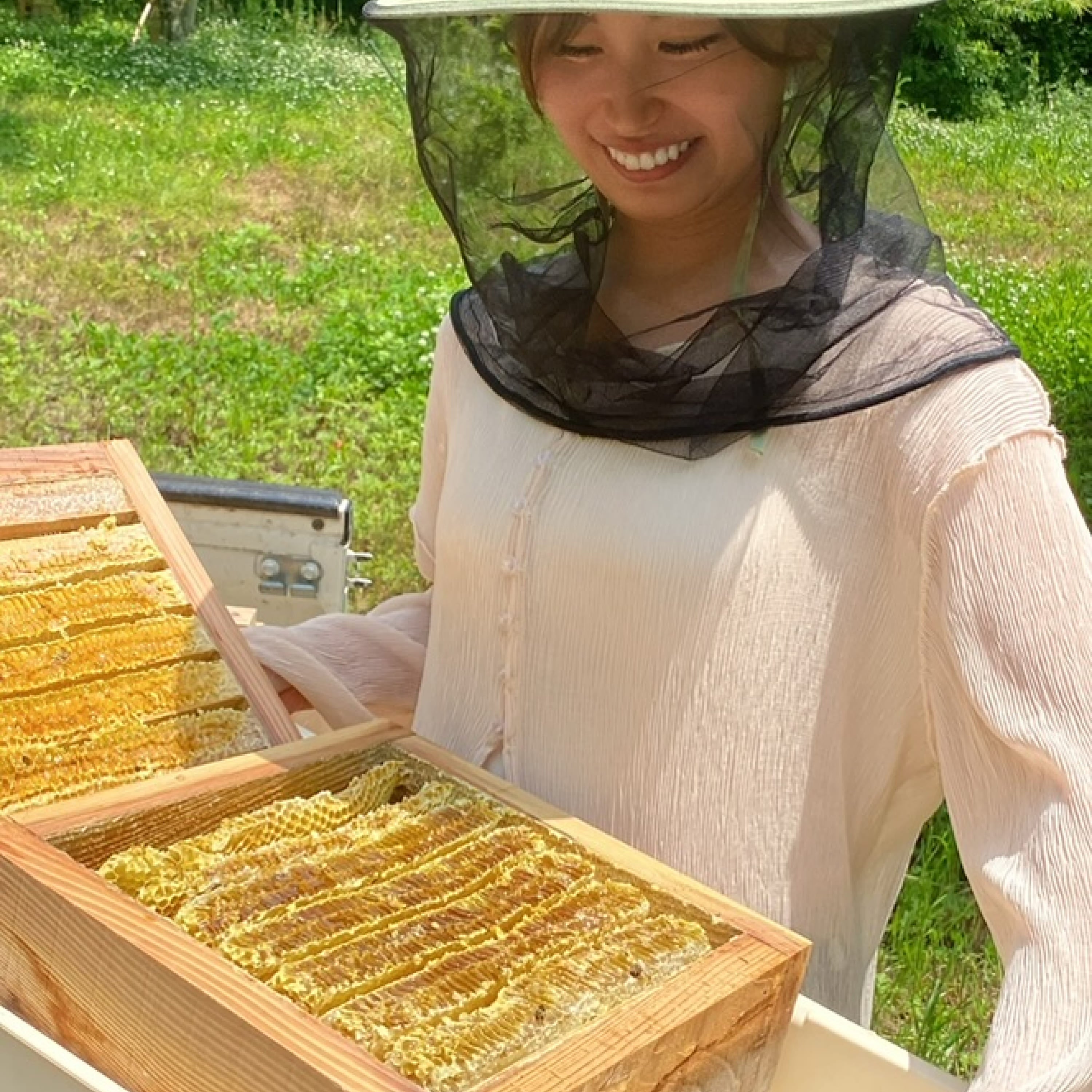
Honey has been cherished in Japan since ancient times, and beekeeping is said to have a long history. In the past, it was prized as a precious sweetness harvested from the nests of wild Japanese honeybees, and as the eras passed, people came to prepare hive boxes and share their lives with the bees.
Eventually, from the Meiji era onward, Western honeybees—easier to raise and yielding more honey—were introduced, and beekeeping is said to have spread as an industry. Meanwhile, beekeeping with Japanese honeybees, which have thrived in Japan's satoyama (rural woodlands) since ancient times, was also carried on in a thin but enduring thread across various regions. The work of both Western honeybees and Japanese honeybees has layered rich depth into Japan's beekeeping culture.
The Relationship Between Japanese Honeybees and the Satoyama

The Japanese honeybee is a native species that has lived in Japan's natural environment since ancient times. Compared with Western honeybees, the honey yield per colony is said to be more modest, but in exchange, they slowly gather nectar from a variety of surrounding flowers, and it is said this gives rise to a flavor that reflects the changing seasons.
The work of Japanese honeybees is inseparable from the mixed woodlands and wildflowers of the satoyama. When bees visit flowers, they aid pollination, plants bear fruit, and life is passed on to the next season. Into this cycle of nature, the human endeavor of beekeeping has quietly joined. Japan's beekeeping culture has not been merely about obtaining sweetness—it has also been a wisdom of living alongside the satoyama ecosystem.
The Blessings Nurtured by the Sacred Mt. Daisen

Mt. Daisen in Tottori, Japan, is known as the highest peak in the Chugoku region and has been revered as a sacred mountain since ancient times. Clear water flows across its foothills, where beech forests spread, and a variety of plants bloom through the four seasons. Such a rich natural environment could be called an ideal stage for Japanese honeybees to gather nectar.
Amid the clear air and diverse vegetation of Mt. Daisen, the bees visit the flowers that bloom each season, gradually storing up nectar. Honey nurtured in an environment close to nature, where human hands do not intervene excessively, is said to take on a deep flavor that seems to capture the very character of the land. The land of Mt. Daisen itself shapes the individuality of the honey.
Inherited Methods and Sustainable Beekeeping

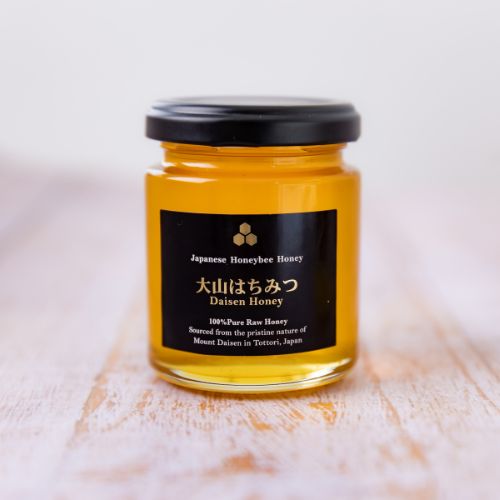
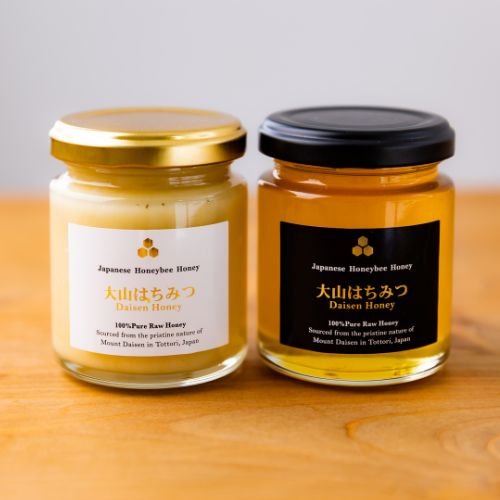
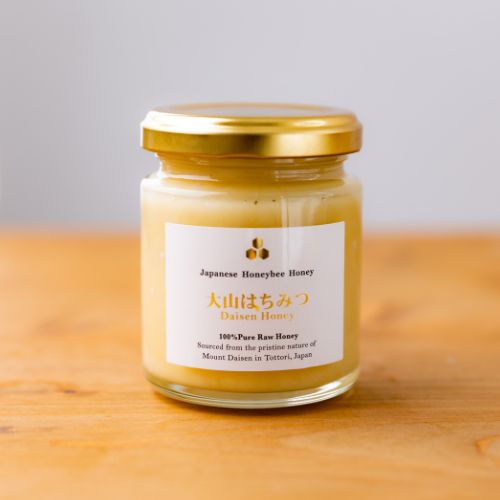
"Daisen Honey" is harvested only once a year, and we deliver just 200 limited bottles. Rather than forcing an increase in honey yield, we place importance on maintaining an environment where the bees can live healthily within nature. This is a form of sustainable beekeeping rooted in respect for the bees and for nature.
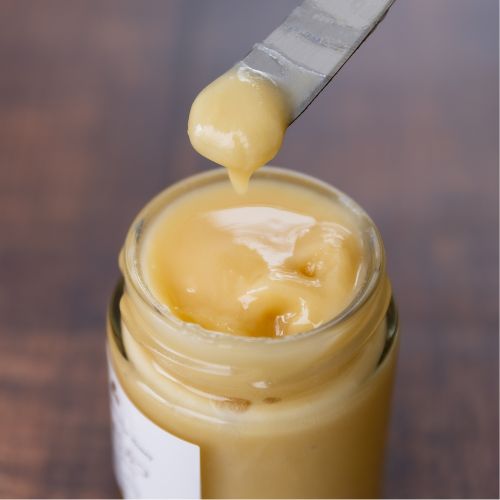
The harvested honey is bottled raw and additive-free. By not heating it and not adding anything extra, you can experience, just as it is, the original aroma and flavor nurtured by the flowers. This careful handwork is the very opposite of mass production—an endeavor that spares neither time nor effort. Please note that the Ministry of Health, Labour and Welfare advises that honey should not be given to infants under one year of age.
Conclusion: The Work of Nature and People Dwelling in a Single Drop
Japan's beekeeping culture has been nurtured over a long span of time as the nature of the satoyama and the lives of people have drawn close to one another. In the rich environment of the sacred Mt. Daisen, beekeeping walks alongside the Japanese honeybee. That blessing comes to fruition as "Daisen Honey," produced once a year in just 200 limited bottles. Within each drop, finished raw and additive-free, the four seasons of Mt. Daisen and the work of the bees quietly dwell. Why not gently add a story of nature to your daily table?


おすすめ商品