Exploring the Allure of Japanese Honeybees: Nature’s Tiny Craftsmen
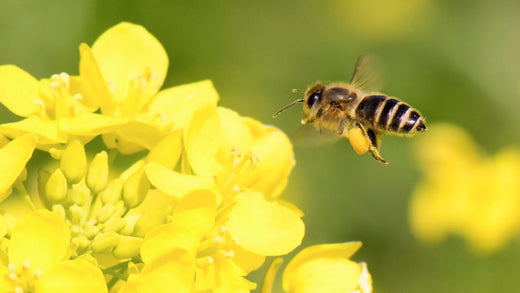
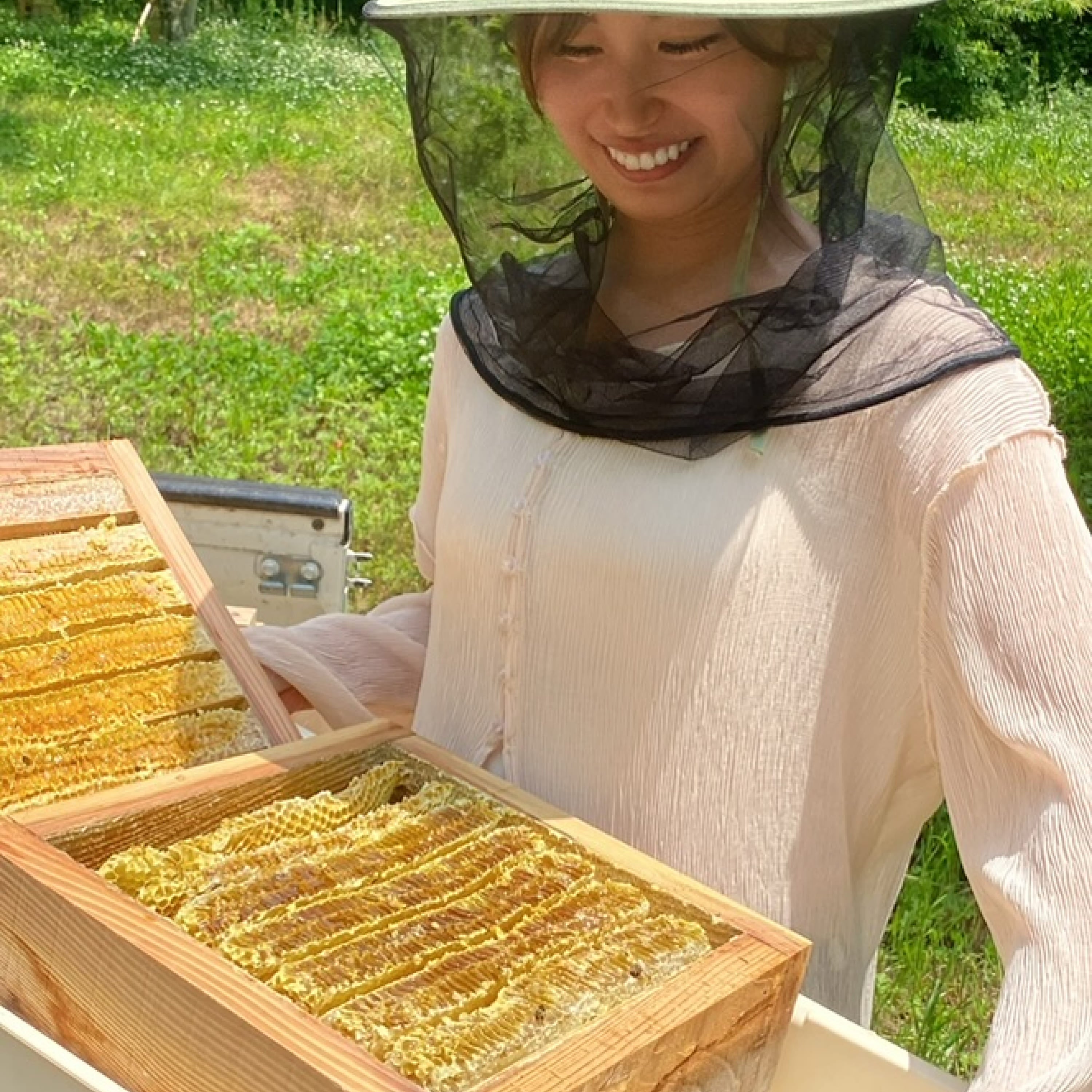
In mountain regions and satoyama across Japan, tiny master craftsmen quietly gather nectar from flowers. They are the Japanese honeybees (scientific name: Apis cerana japonica).
Although their presence is often overshadowed by the recent prevalence of the Western honeybee (Apis mellifera), they are drawing significant attention for their unique ecology, the diverse flavors of their honey, and their contributions to sustainable environmental conservation.
In this article, we explore Japanese honeybees from multiple angles—from their basic characteristics and historical background to the appeal and health benefits of their honey, as well as conservation efforts and their potential in overseas markets. We hope readers abroad, including those in the United States, will appreciate the depth and value of the world of Japanese honeybees.
What are Japanese honeybees?
Japanese honeybees are a subspecies of the Asian honeybee found across Asia and are an indigenous species in Japan that have long adapted to the natural environment. Their bodies are small, and while a single colony produces less honey than Western honeybees, a major characteristic is their ability to flexibly adapt to Japan’s unique climates, such as hot, humid summers and cold winters.
They also exhibit unique defensive behaviors not seen in other non-native species, such as the “bee ball,” a capture strategy that has evolved over many years to help them survive in the wild.
Ecology and characteristics of Japanese honeybees
Habitat and social structure
Japanese honeybees primarily inhabit areas with rich vegetation, such as mountain regions and satoyama. In the wild, they build natural nests in inconspicuous gaps like tree hollows or under the eaves of houses, maintaining a society composed of three castes: queen, worker, and drone.
Workers divide a wide range of daily tasks, from foraging for nectar and pollen to nursing larvae and regulating the hive’s temperature and humidity. This social division of labor allows the colony to function efficiently as a whole.
When predators intrude, multiple workers gather to form a bee ball, using their body heat to surround and neutralize hornets and other threats. (Related study: “Hot defensive bee ball in the Japanese honeybee”)
Differences from overseas honeybees
The species most widely used in beekeeping is the Western honeybee, but Japanese honeybees differ in the following ways.
| Item | Japanese honeybee (Apis cerana japonica) |
Western honeybee (Apis mellifera) |
|---|---|---|
| Body size | Small | Slightly larger |
| Climate adaptability | Highly tolerant of heat, humidity, and cold regions | Prefers warmer climates |
| Honey yield | Lower | Higher |
| Defensive behavior | Hornet capture via bee ball | Does not form a bee ball |
| Native/Non-native | Native to Japan | Native to Europe |
Thus, compared to Western honeybees, Japanese honeybees are less suited to large-scale commercial honey production, but they are highly valued for their environmental adaptability and rarity.
Cultural and historical background
Beekeeping in Japan has a long history, with some theories tracing it back to the Yayoi period. In the Edo period, Japanese honeybee beekeeping was practiced as a side job by farmers, but in modern times, the more productive Western honeybee became widespread, and Japanese honeybee beekeeping temporarily declined.
Even so, traditions of protecting and cultivating indigenous bees continue in mountain villages across Japan. Some regions hold bee festivals as local events, and “Japanese honeybee honey” is often sold as a local specialty product.
In recent years, as global concern grows over mass die-offs of Western honeybees, the resilience and ecosystem contributions of Japan’s indigenous Japanese honeybee have been reassessed, leading to renewed interest.

Landscape of the Yayoi period (image)
The appeal of honey produced by Japanese honeybees
Distinctive flavor
Japanese honeybee honey typically comes not from a single crop but from a diverse array of wildflowers and tree blossoms, so its taste and aroma vary widely by region and season.
Unlike Western honeybees, which often collect large amounts of monofloral honey with large colonies, Japanese honeybees gather slowly from mixed nectar sources, resulting in a deeper, more layered flavor.
For example, in spring, acacia and Chinese milk vetch; in early summer, chestnut and buckwheat—each season’s blossoms subtly change the honey’s color and aroma. Japanese honeybees living in mountainous areas, in particular, produce distinctive honeys that reflect diverse plant communities.
Rarity and high added value
Because each colony yields relatively little honey and can be challenging to manage, Japanese honeybee honey is rare and generally commands higher market prices.
Within Japan, efforts to enhance value as regional brands are active, and more products are positioned as premium items sold online or at direct-from-farm stands. Overseas—especially in the United States—interest is growing among those drawn to Japanese traditions and harmony with nature, and export demand is on the rise.
There is also growing potential for regional revitalization and rural tourism, with beekeeping experiences and workshops themed around beekeeping now being offered.
Attention for medicinal and health benefits
Honey contains components expected to provide a wide range of health benefits, such as antibacterial and antioxidant properties. Reports suggest that Japanese honeybee honey contains abundant trace nutrients and polyphenols derived from diverse pollen sources, leading many to expect benefits such as immune support and skincare.
As a natural sweetener, it is increasingly used as a substitute for sugar. Abroad, as organic and local foods attract attention, Japanese honeybee honey shows strong potential.

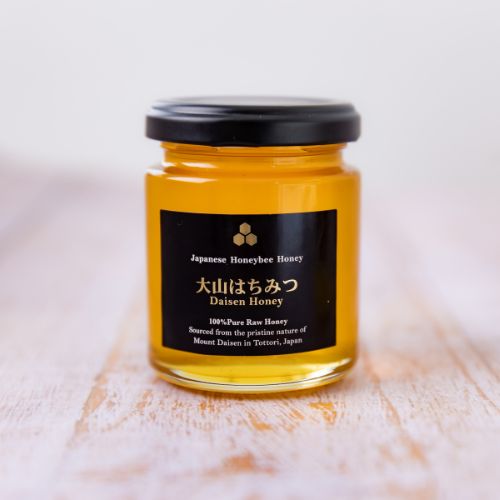
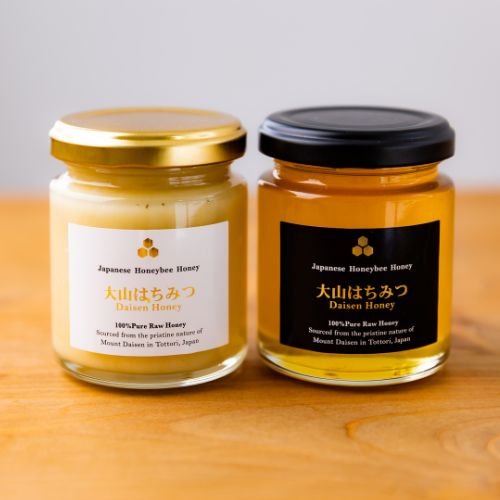
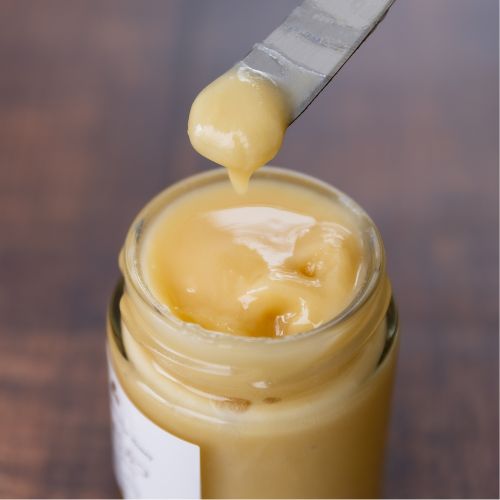
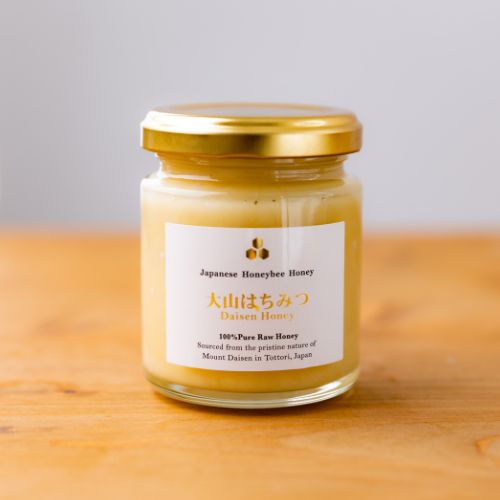
Looking for rare, precious raw honey from Japanese honeybees?Japanese Honeybee Honey CollectionCheck it out! We deliver 100% pure raw honey to your home, along with information that conveys the captivating world of the Japanese honeybee.
It’s perfect for adding natural sweetness to everyday life while promoting health and supporting a sustainable lifestyle!

Conservation and sustainability of Japanese honeybees
Connection to the natural environment
Honeybees are vital pollinators responsible for plant pollination. In particular, Japan’s indigenous Japanese honeybees have strong interactions with native plants and contribute significantly to the reproduction of wildflowers and crops by carrying diverse pollen.
However, factors such as excessive pesticide use, habitat loss due to urbanization and deforestation, and competition with the non-native Western honeybee are raising concerns about declining Japanese honeybee populations.
If left unaddressed, we risk not only losing Japanese honeybees themselves but also disrupting the balance of entire ecosystems, potentially impacting crop productivity.
Importance of conservation activities
In recent years, more NPOs and research institutions have been working on the conservation and study of Japanese honeybees.
Japan Beekeepers Associationand other organizations are promoting traditional hive boxes, reducing pesticide use, and preserving satoyama landscapes—efforts that are drawing attention both domestically and internationally.
From the perspective of ecosystem services, honeybees are indispensable, and the benefits of conservation extend broadly to food production, forest restoration, and even tourism resources.
The future and outlook for Japanese honeybees
Expanding into overseas markets
As global interest in Japanese cuisine and washoku grows, Japanese honeybee honey could become a new trend. In the United States in particular, there is high interest in organic and craft foods and rising demand for local, distinctive products, making Japanese honeybee honey—known for its quality and rarity—especially appealing.
Some producers are already exporting Japanese honeybee honey and earning high praise as premium products. By strengthening brand strategies, ensuring rigorous quality control, and meeting international standards, further market growth is expected.
A key to ecosystem conservation
Protecting Japanese honeybees is not only about safeguarding a rare native species; it is also crucial for passing Japan’s rich ecosystems and culture on to the next generation.
In recent years, “natural beekeeping,” which combines natural cultivation and organic farming, has gained attention. By limiting pesticide use, it preserves honeybee habitats and ultimately creates a positive cycle that benefits the region’s entire ecosystem.
In the context of the Sustainable Development Goals (SDGs), biodiversity conservation and sustainable food production are critical issues, and protecting native species such as the Japanese honeybee plays an important role in these efforts.
Conclusion
Japanese honeybees are an indigenous species that have uniquely evolved while coexisting with Japan’s natural environment since ancient times. Though their colonies are smaller, they offer many charms—complex, layered honey flavors, high environmental adaptability, and defensive behaviors such as the bee ball.
Their rarity and high quality are gaining attention both in Japan and abroad, and popularity is growing in overseas markets, including the United States, alongside trends in organic and craft foods.
At the same time, risks to their habitats are increasing due to pesticides and deforestation, making conservation activities and research even more important going forward.
By embracing coexistence with nature and protecting the ecosystems of native species like the Japanese honeybee, we can not only preserve a rich natural environment for future generations but also share Japan’s unique food culture and industries with the world.
We hope to continue appreciating the rich flavors these tiny master craftsmen bring and the vast potential of the ecosystems they support.


おすすめ商品